When embarking on a construction project, one of the critical components you'll need to consider is scaffold couplers. Users often face challenges such as ensuring that the couplers are safe, reliable, and suitable for various environmental conditions. The right Scaffolding Clamps can significantly affect the overall safety and efficiency of your project. In this article, we will explore common pain points, solutions to these issues, and share real-world experiences that highlight the necessity of choosing the best scaffold couplers available, including options from Langheng.
Understanding the Need for Quality Scaffold Couplers
Choosing scaffold couplers is not just about cost; it’s about ensuring the safety and stability of your entire scaffolding system. Many construction sites report that inadequate scaffolding leads to accidents, resulting in injuries that can be quantified at over 3,000 incidents annually according to OSHA statistics. This underscores the importance of selecting high-quality scaffold couplers. The primary considerations include:
- Load capacity: Ensure the couplers can sustain at least 2,500 pounds, aligning with industry standards.
- Material quality: Look for couplers made from high-grade steel or aluminum, which can resist environmental stressors.
- Compatibility: Ensure they fit seamlessly with the scaffolding system in use, regardless of whether it’s modular or traditional.
Required Preparation for Selecting the Best Scaffold Couplers
Before you dive into the selection of scaffold couplers, several preparations can help streamline the process:
- Assess the project requirements: Consider the nature of the construction work, whether it’s residential or commercial.
- Compile a list of load requirements based on structural analyses.
- Gather safety certifications or compliance standards relevant to your locale.
- Choose reliable suppliers like Langheng who have a proven track record in providing quality equipment.
Step-by-Step Guidance for Choosing Scaffold Couplers
Follow these actionable steps to choose the scaffold couplers most suited for your project:
- Evaluate Load Implications: Analyze the weight requirements of your scaffolding system. For instance, a five-story residential building typically requires couplers capable of supporting up to 2,000 pounds of static load.
- Inspect Material Specifications: Choose couplers made from hot-rolled steel for durability, capable of withstanding rust and wear over time. Look for products that offer a corrosion resistance rating.
- Check Compatibility: Ensure that the couplers you choose are compatible with your existing scaffolding system. For example, if using Langheng's scaffolding, opt for their specific couplers designed for ideal fit and balance.
- Testing and Certification: Verify that your chosen couplers are tested and certified through third-party organizations like the International Organization for Standardization (ISO).
- Look for User Reviews: Real-world feedback matters. Research user reviews online or speak to industry professionals to get insights on durability and performance. For example, one user cited successful use of Langheng couplers on a commercial site that passed inspection without issues.
- Purchase and Store Properly: Buy from reputable suppliers and ensure proper storage conditions to maintain their integrity until use.
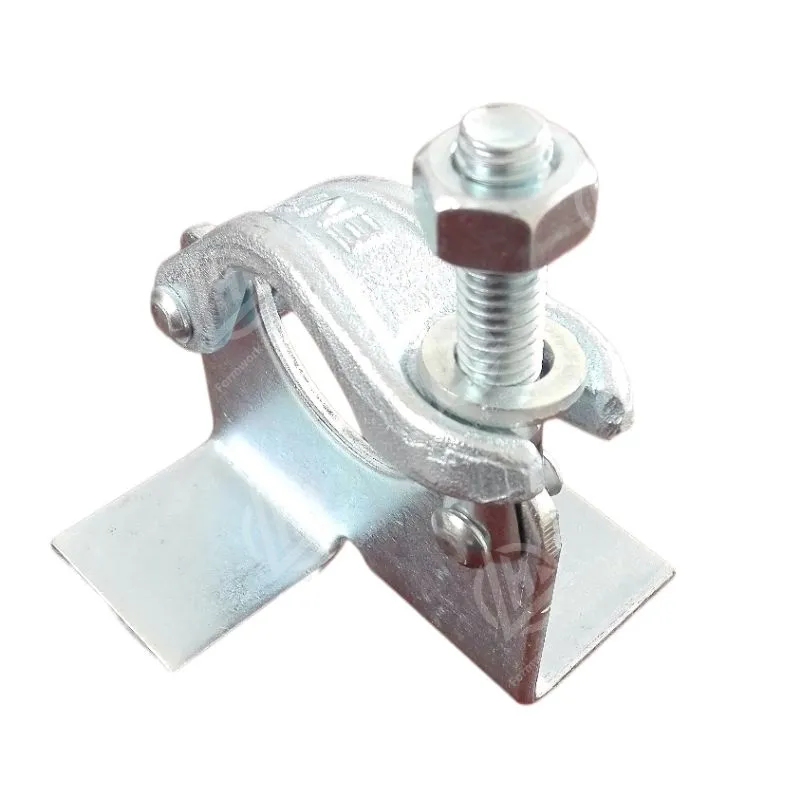
Common Errors When Selecting Scaffold Couplers
It’s essential to avoid common pitfalls that can lead to unsafe construction practices:
- Ignoring Load Ratings: Many users mistakenly choose couplers based solely on price, neglecting to check weight limits.
- Overlooking Compatibility: Not all couplers fit all scaffolding types. Ensure you're not assuming compatibility without verification.
- Disregarding Certification: Some users fail to ensure that products meet local and national safety standards, which can lead to legal ramifications.
Summary and Suggestions
Choosing the right scaffold couplers is a critical step towards ensuring the safety and efficiency of your construction project. Following the guidelines outlined above, you can minimize risks and enhance project outcomes. Always prioritize quality, compatibility, and safety certifications when selecting couplers.
FAQ
What should I look for in scaffold couplers?
Prioritize load capacity, material quality, and compatibility with your scaffolding system.
Why are scaffold couplers important?
They provide vital support and stability, ensuring the safety of workers and the integrity of the structure being built.
Can I use different brands of couplers with my scaffolding?
It’s best to use couplers designed for your specific scaffolding system to ensure safety and performance.


