Scaffolding clamps play a vital role in construction. Many people confuse scaffolding clamps with couplers. Understanding the difference between these two components is essential for safety and efficiency on-site. Scaffolding couplers connect pipes, while clamps secure a structure. Choosing the right component can impact a project’s stability. This article will explore these differences and shed light on their applications. 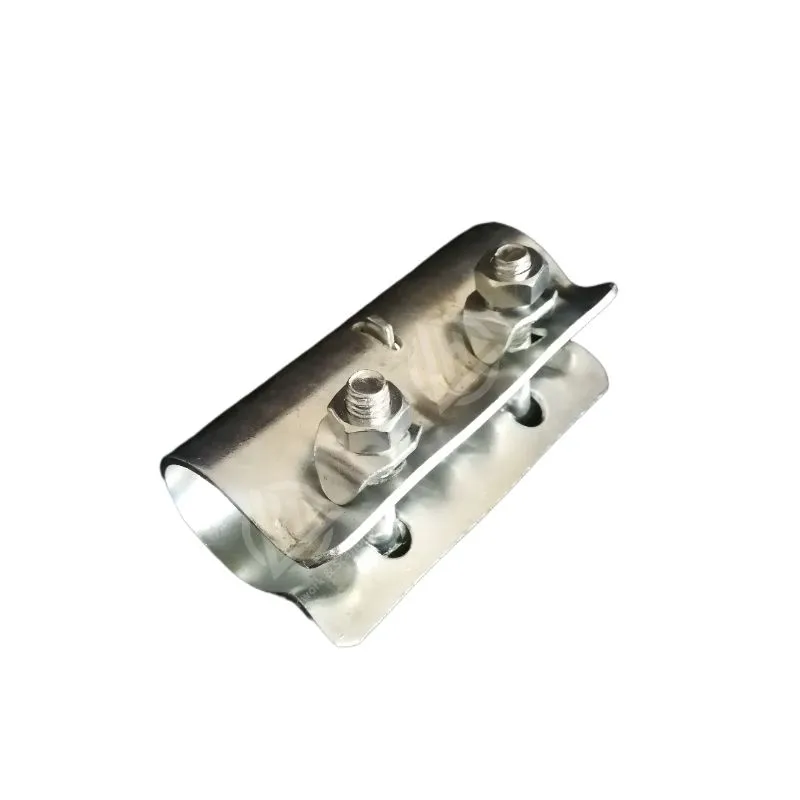
In summary, **scaffolding couplers connect scaffolding pipes together, while clamps secure them to other structures**. Understanding their functions can help you choose the right tools for your needs.
Couplers serve to join scaffolding pipes together while clamps fasten these pipes to building surfaces. Each component plays a unique role in the overall structural integrity.
There are various types of couplers, including swivel couplers and fixed couplers. Clamps come in styles like single and double clamps, allowing for versatility in attachment points.
Most clamps and couplers are made of steel or aluminum. Steel offers strength, while aluminum provides portability and weight savings, making it a popular choice for suspended scaffolding.
The installation process of scaffolding couplers often involves more steps due to their need to connect at multiple angles. Clamps, in contrast, can be simpler and faster to apply.
Using substandard or incorrect components can lead to accidents on-site. It is crucial to choose high-quality clamps and couplers to ensure safety.
Generally, clamps are less expensive than couplers. However, the overall cost will depend on material, quality, and type. Investing in quality equipment can save money in the long run by reducing accidents and replacements.
Understanding the differences between scaffolding couplers and clamps is essential for anyone in the construction industry. Scaffolding couplers connect pipes, while clamps secure them to structures. Knowing when and how to use each component can ensure safety and stability on your project sites.
1. Can I use a clamp instead of a coupler?
It is not advisable as they serve different purposes.
2. How do I know which component to choose?
Assess your project's requirements and consult a supplier.
3. Are there weight limits for these components?
Yes, always check manufacturer specifications for load capacity.


