Inspect your scaffold clamps regularly for signs of visible wear and tear. Any deformation, scratches, or altered shapes can indicate their integrity is compromised. If a clamp appears misaligned or bent, it is essential to consider its replacement. Regular inspections can prevent accidents, ensuring both safety and efficacy during scaffolding operations.
Rust is not just an aesthetic issue—it's a serious structural concern. When scaffold clamps begin to show signs of corrosion, their strength and reliability are severely affected. Even small patches can accelerate the degradation process, ultimately leading to failures during use. A visual analysis is necessary, and even minor rust should warrant replacing the affected clamps.
Small cracks can be a dangerous precursor to catastrophic failure. If you notice any cracks in your scaffold clamps, it is critical to replace them immediately. According to safety regulations, equipment with cracks is deemed unsafe for use and should be taken out of service until replaced.
Clamps that do not fit snugly can lead to structural instability. If you find that a clamp has begun to loosen, it could indicate wear on the internal threads or surrounding structure. Ensuring a secure grip on your scaffolding system is vital; therefore, replacing loose clamps can enhance the overall safety of the structure you are working on.
When scaffold clamps exhibit inconsistent performance, it's time for a thorough evaluation. If a clamp fails to hold steady or has fluctuating tension, it poses risks to the entire scaffolding system. Replacing unreliable clamps helps maintain a stable working environment and assures compliance with safety standards.
In addition to the unique signs discussed above, understanding the life cycle of scaffold clamps can also aid in determining their replacement needs. Below is a comparison table illustrating various indicators and replacement timelines.
| Indicators | Replacement Timeline | Recommended Action |
|---|---|---|
| Visible Wear | Immediately | Inspect for safety |
| Rust | Within 1 month | Replace rusted clamps |
| Cracks | Immediately | Do not use until replaced |
| Loose Fitting | Within 2 weeks | Check for compatibility and replace |
| Inconsistent Performance | Immediately | Assess and replace necessary clamps |
Maintaining scaffold clamps involves a proactive approach to safety. Continuous monitoring and replacement prevent accidents and ensure a productive work environment.
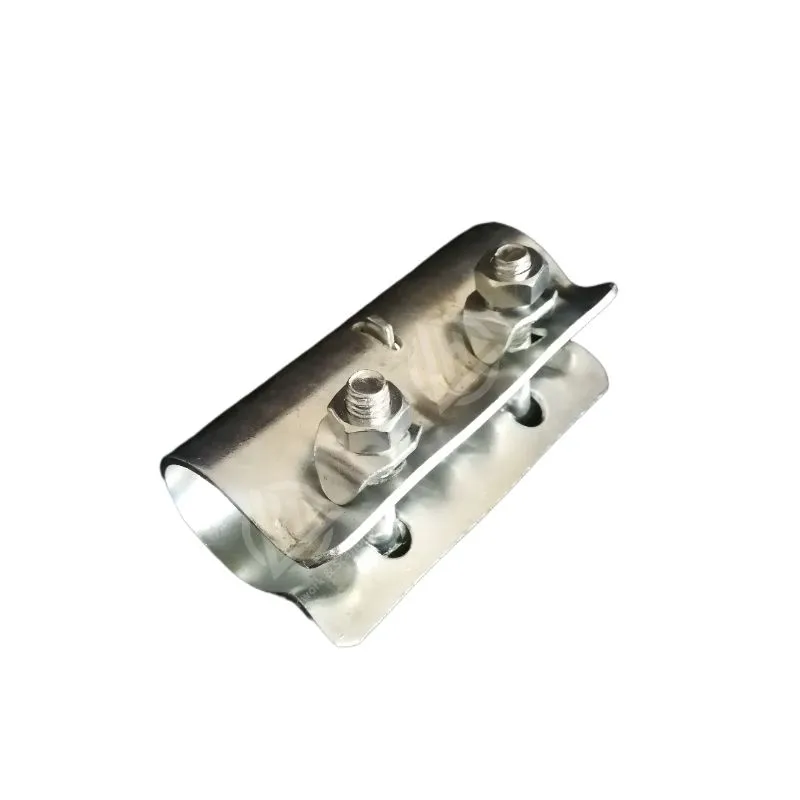
In summary, vigilance and regular maintenance are essential for scaffold clamps. By recognizing the signs indicating the need for replacement, manufacturers can avoid potential hazards, uphold safety standards, and maintain a reliable scaffolding system. If you notice any of the signs detailed above, it is advisable to consult with a scaffold professional or replace the affected components without delay.
For additional information on scaffold clamps and replacement advice, please consider reaching out to Langheng, where quality and safety are paramount in our manufacturing practices.


