Sleeve couplers are essential components in scaffolding systems, used to connect two tubes effectively. Designed for structural integrity and safety, they are widely utilized in construction projects. Their versatility makes them a preferred choice for scaffolding assemblies. Understanding the specifications and best practices for sleeve couplers can significantly improve structural safety and efficiency.
Sleeve couplers are primarily utilized in various construction settings for:
Typically used in forming scaffolding for temporary access during construction and maintenance.
They provide support frameworks for glass or facade installations, ensuring secure attachment.
Commonly applied in industrial scaffolding projects that require robust support systems for safety.
Essential in the construction of bridges and towers, where reliable support is paramount.
The benefits of sleeve couplers are manifold, including:
Sleeve couplers provide enhanced stability to scaffolding setups, reducing structural failures.
Their design allows for quick and easy installation, minimizing construction time.
Leveraging sleeve couplers can reduce labor costs and materials wastage.
Their versatile design accommodates different project requirements effectively.
The installation of sleeve couplers involves a straightforward process:
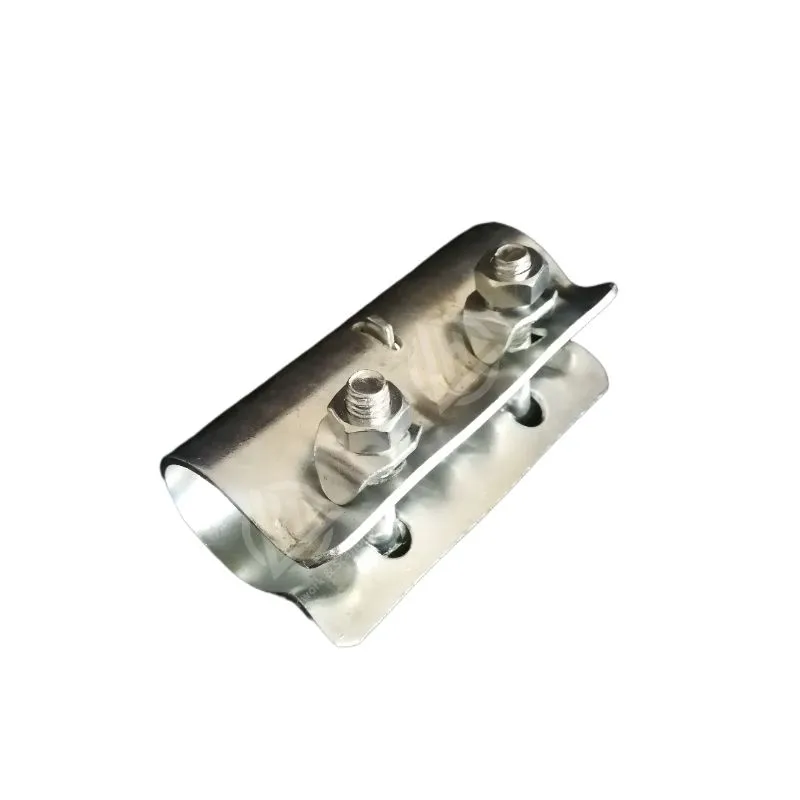
| Coupler Type | Application | Stability | Cost |
|---|---|---|---|
| Sleeve Couplers | General Usage | High | Moderate |
| Forged Couplers | Heavy Load | Very High | High |
| Swivel Couplers | Angle Connections | Medium | Moderate |
In conclusion, sleeve couplers are a crucial element in scaffolding systems, providing numerous benefits such as stability, cost-effectiveness, and quick installation. Their applications in various construction scenarios highlight their versatility. Understanding their advantages and appropriate installation can lead to more efficient and safe construction practices.
Image credit: Langheng


